LevellingFrameworks
How we develop talent and support career growth at Dune
Team•February 7, 2023•3 min read

Beccy IngramPeople at Dune
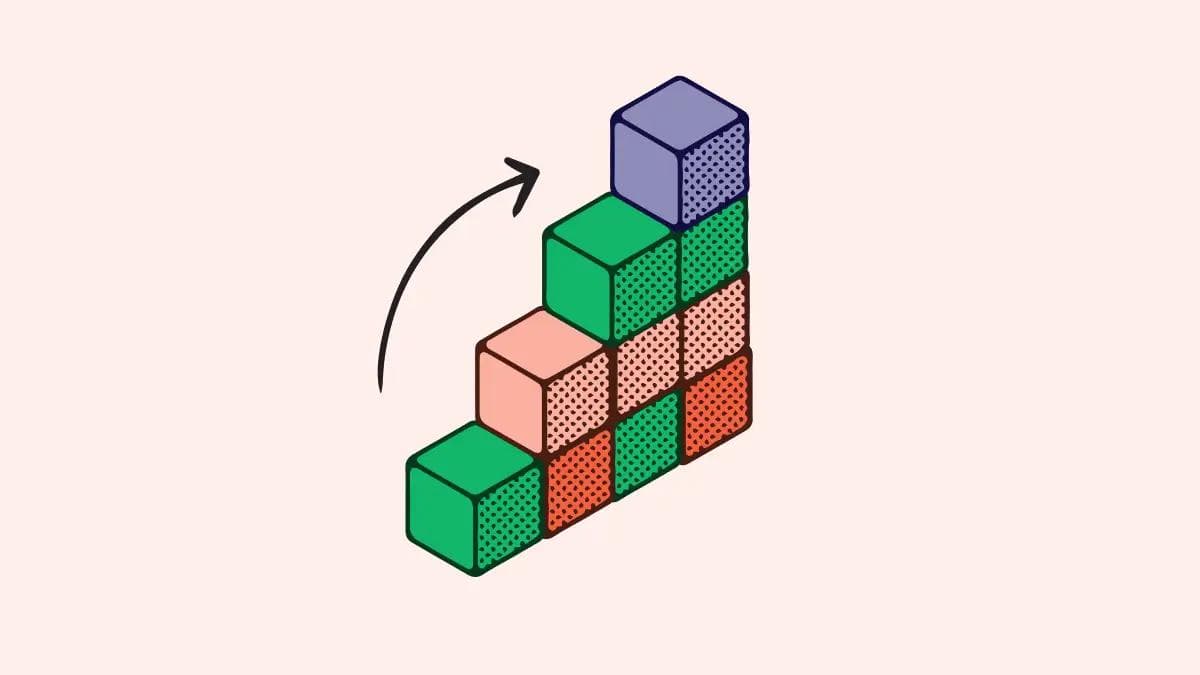
At the point I joined Dune, we were 20 people. Less than a year later and we are now ~60 people, across 20+ countries. Some meaningful growth, that stirred up some meaningful challenges!
Something we wanted (needed) pretty quickly, was data. We launched Dune’s engagement survey to understand how people were feeling. Delving into the comments, some clear themes became apparent. The team were asking:
The controversial bit. We approached this by asking both the manager and function leader (i.e. our CTO for engineering & product) to separately level each individual, based on the framework. When there was a disagreement, we got together to align.
To calibrate against teams we shared the initial company-wide levelling with each manager and gave them the chance to challenge each other. There were a handful of cases where we made adjustments based on these challenges — an essential step for equity across teams.
Frameworks create clarity, and force meaningful discussion around expectations. They can unearth potential unspoken misalignment between manager and individual. If the framework is written effectively then it should force these difficult conversations. I would say this was probably the hardest part of the process - we are talking about people’s careers after all!
Sharing the framework in advance, asking for feedback and explaining it was the first version seemed to help.
We combined the levelling conversations with pay discussions, with the aim that each person would have both clarity on their level, the associated expectation and what that means in terms of their compensation by the end of the process.
📎 Dune’s Career Frameworks (imperfect and still being iterated on but I hope helpful for some of you) : 👉Engineering 👉Product 👉Community 👉People
We haven’t finished and have a way to go. We have the V1 frameworks on Notion, the team are levelled and now have pay reflective of that level. However, we are far from done. We need to embed the frameworks into our performance and recruitment processes, we need to create more alignment across functions and we need leadership frameworks - some good projects for 2023!
💭 Thoughts and feedback really very welcome. Please share here
Looking to use Dune for your company?